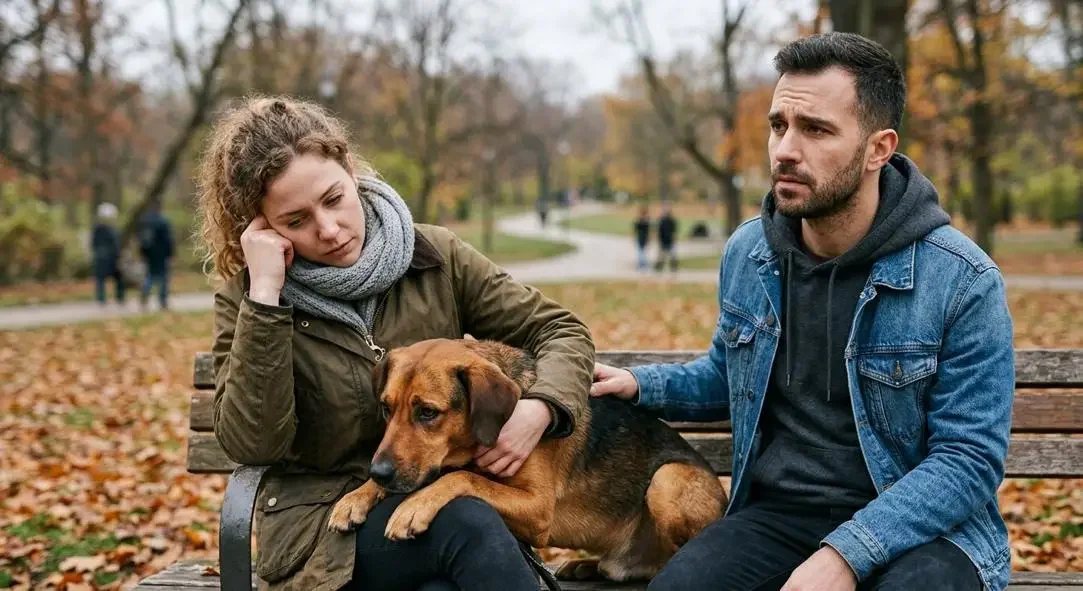
Your Relationship With Your Companion Animal
These days, many people consider their animal family members part of their families. Advances in veterinary medicine have enabled many of these beautiful beings to live much longer and healthier lives. The result is that people and their pets often share their lives for many years and become deeply bonded. As with any close relationship, it’s often difficult to fully convey to someone else why the connection is so meaningful.
Reasons People May Act Insensitively to the Loss of Your Pet
Let me begin by saying that most people don’t even realize that they are coming across as insensitive. They may truly believe their comments are supportive and helpful. So, they might be surprised to learn that instead of being empathetic towards you and your situation, they are being seen as lacking compassion. And based on what my pet loss clients have told me over the years, it seems many of the comments they’ve received are somewhat universal. Here are a few and their possible justifications.
“It’s just a dog/cat/bird/fish/turtle.”
This comment usually stems from the fact that most people perceive animals as inferior to humans. That doesn't necessarily mean the person doesn't like animals or didn't like your pet. They just don't believe they merit the same level of grieving as when a human dies. The problem, of course, is that to you, your animal family member was an important part of your family and very deserving of being deeply mourned.
"Just get another one."
This suggestion often arises from the speaker's view that pets are interchangeable, i.e. because any pet can be replaced with another, the solution to quickly ending your grief is to adopt another one. Oftentimes this comment is coming from a place of caring because the person doesn't want to see you in such pain. For you, however, there is no such thing as a "replacement" animal. You recognize that no two animals are the same and each bond formed, is unique.
"It's time you moved on."
Again, these words are likely uttered because the person doesn't want to see you suffering. However, they're not considering that mourning, whether for a person or an animal, doesn't have a timetable. It's unlikely someone would make this comment if you had just lost a spouse, parent, or child. Unfortunately, in our society, animals aren't accorded the same respect.
People stop asking how you're doing
While not a hurtful comment, the result is the same. At some point, you can expect a reduction in the number of times you will be asked, "how are you doing?" However, when it comes to our pets, the frequency often diminishes much more rapidly than if we lost a human. Just when you most need the support, it vanishes.
Solutions
Depending on your relationship with the person (closeness, comfort level, etc.) it might be a good idea to let them know why their response/action felt hurtful to you. Be clear about your feelings but be mindful to not verbally attack them or they might refuse to hear your message.
There are times, however, when it might be in your best interest to not say anything. The last thing you need during this difficult time is for someone to show an unwillingness to understand why you are upset.
For many of my clients, what they found most helpful was seeking support from those who fully "got" what they were going through. That might be other animal lovers or just people who refrained from judging them. That way, they were able to process their grief in their own way and in their own time.
Please remember that while your grief is specific to you, there are many other people out there who have experienced the loss of their pets. So, if you find you don't have a reliable support system, I'd suggest looking for a local pet loss support group or finding one online.
